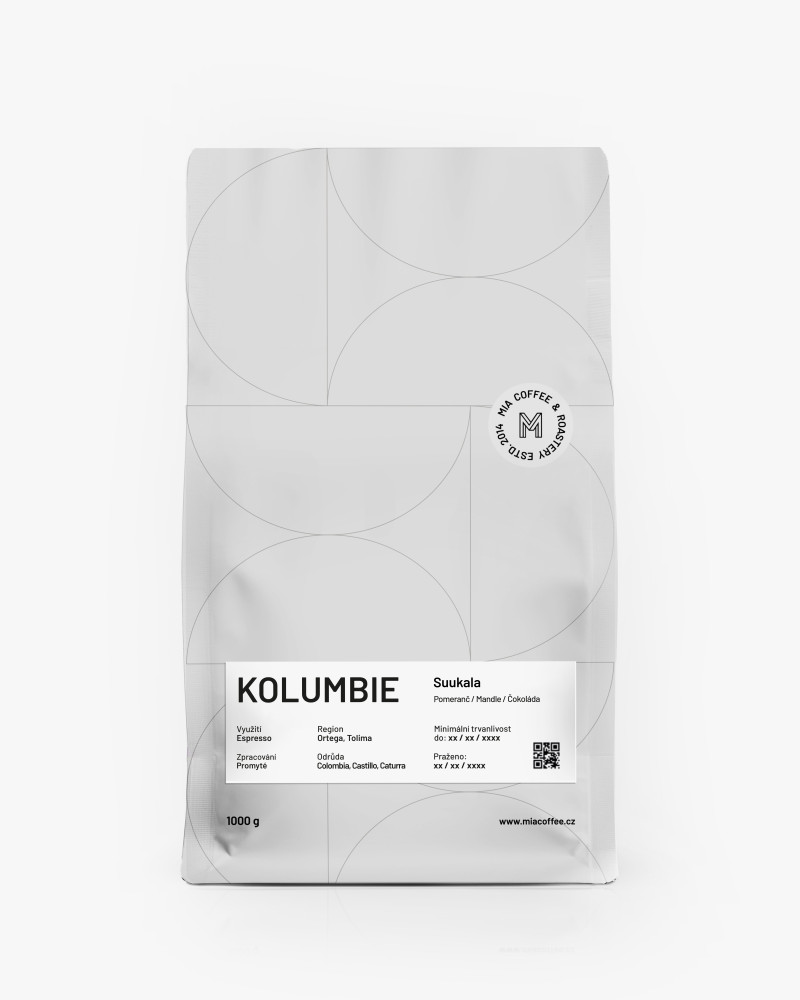
Fruity elegance from Colombia's Tolima
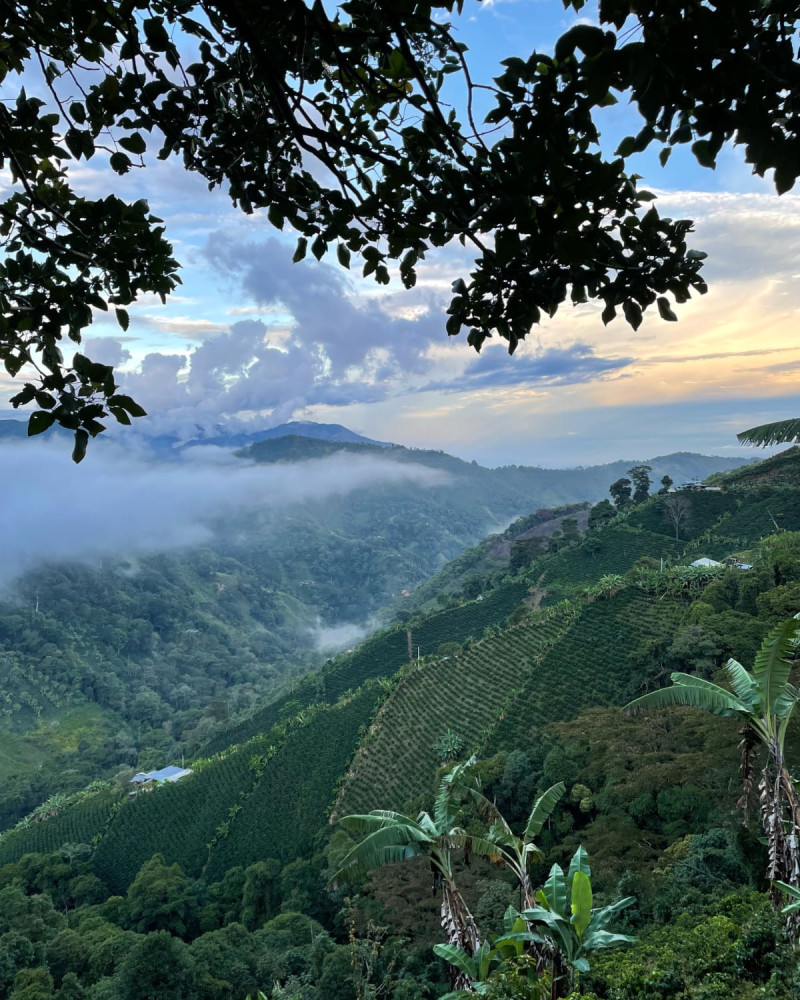
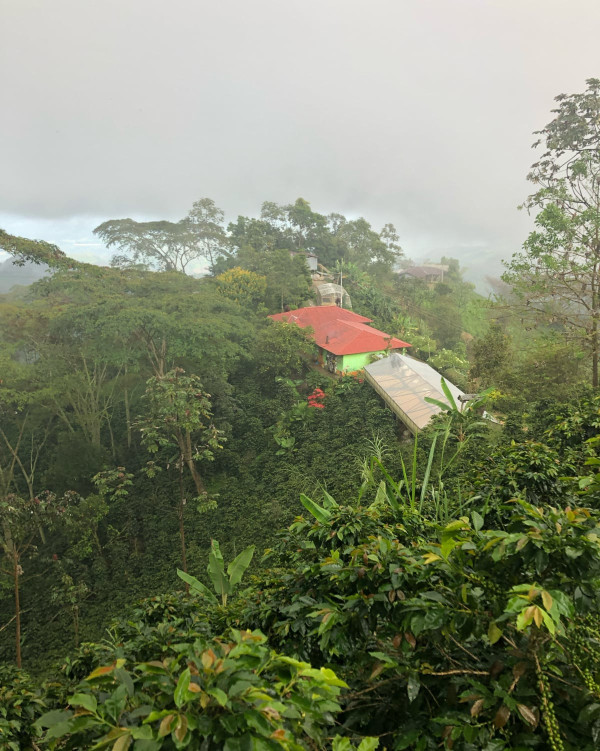
This coffee comes from 35 small farmers in the Ortega area of the Tolima region, organized in the Cafe Agrario association. Although the area has previously been marked by civil conflict and unstable leadership, the farmers have significantly shifted towards high-quality coffee in recent years. With the support of their export partner Siruma, they have gained assistance in quality, association organization, and education. The association has been certified organic since 2020 and is focused on sustainable practices and protecting the local environment in the long term.
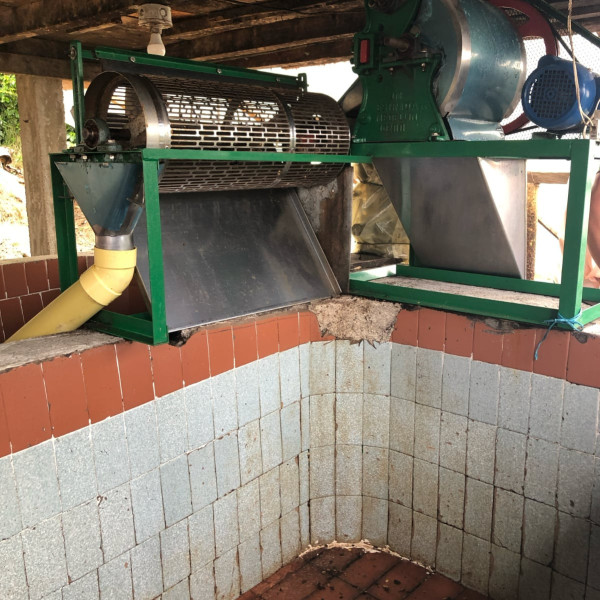
The harvest occurs approximately every 20 days, with pickers receiving a premium for selecting only ripe cherries. After picking, the coffee is depulped, fermented for 24 hours in tiled tanks, then washed three times and dried on African beds, which contributes to its cleanliness and sweetness.
Try our most popular beans.
Mia Coffee
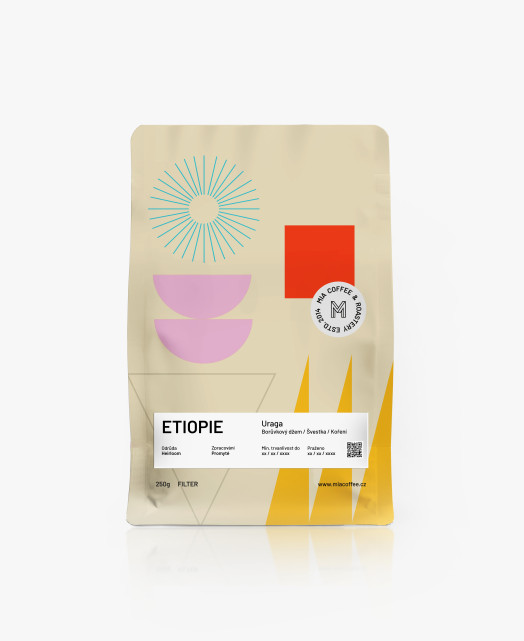
Ethiopia, Uraga
Fresh and elegant filter, 250g
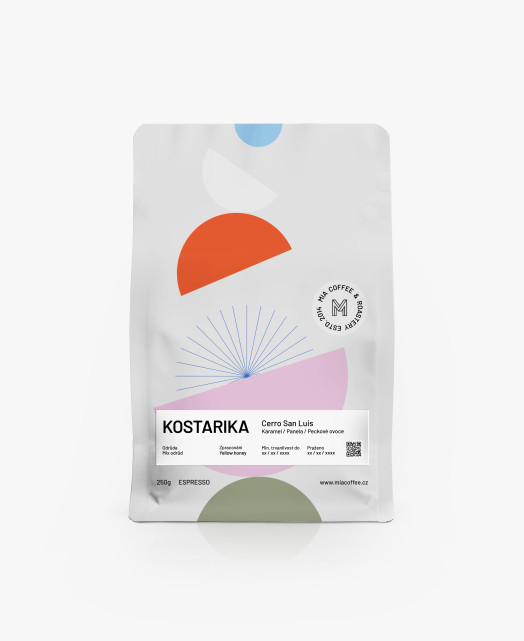
Costa Rica, Cerro San Luis
Sweet and velvety espresso, 250g
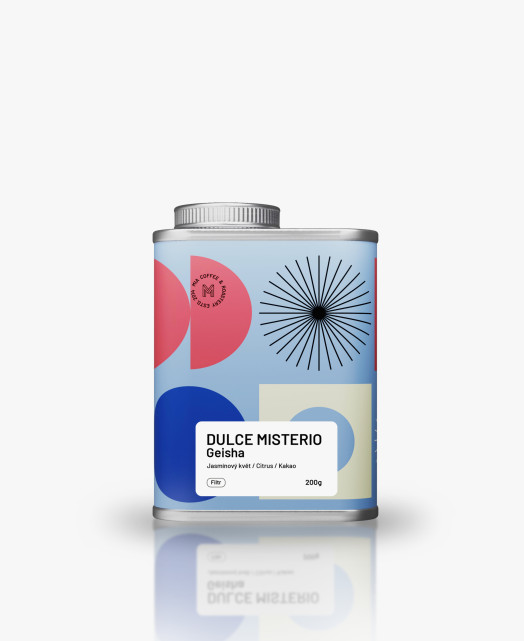
Colombia, Dulce MIsterio Geisha
Fresh and complex filter, 200g
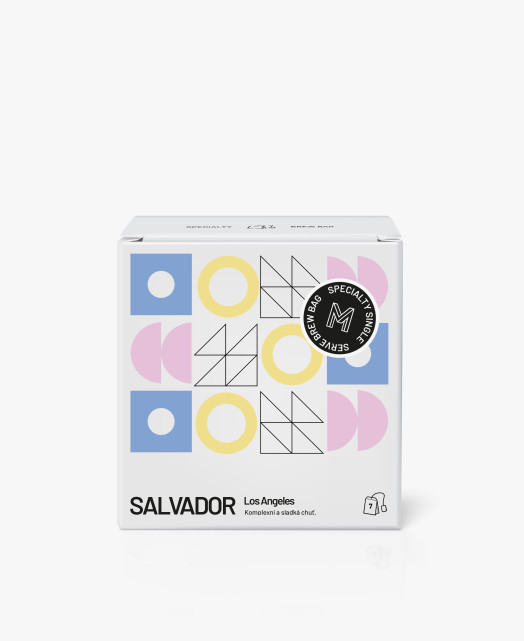
Salvador, Los Angeles
Brew Bags, 7x12g
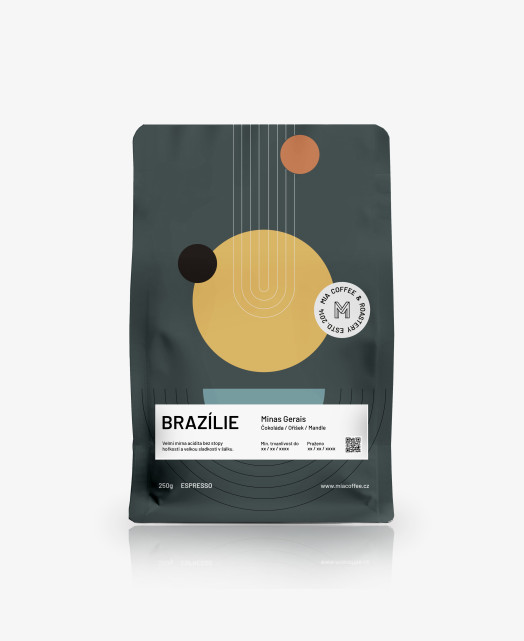
Brazil, Minas Gerais
Sweet and full espresso, 250g
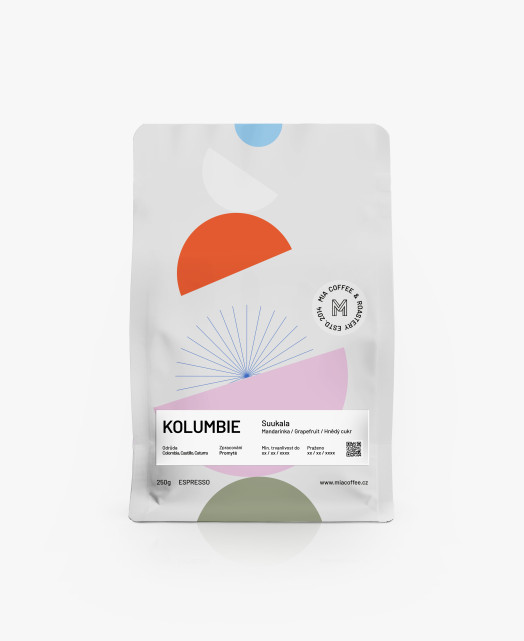
Colombia, Suukala
Fruity and elegant espresso, 250g
Don't know how to prepare coffee? Check out our "Learn" section.

Espresso
The correct setting of espresso is an essential skill for every barista. The speed at which ground coffee dissolves in water significantly affects the taste of the final drink. The flavor of espresso depends on the amount of coffee used, the total weight of the drink, and the time it takes to prepare it. By using a simple ratio and a few steps, we can create a perfectly balanced and tasty espresso.
Learn more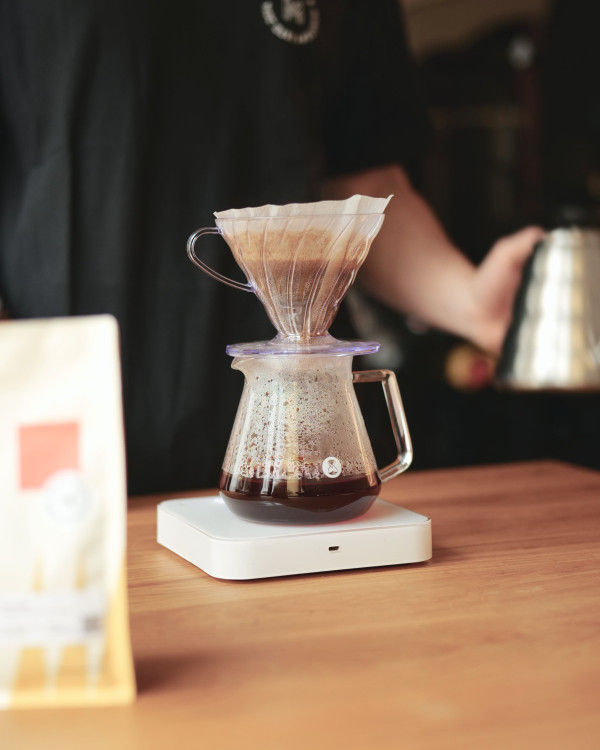
Pour-Over
With a kettle, dripper, and filter, you can prepare coffee using the pour-over method, which guarantees a clean taste. This method is suitable for various types of coffee, but beans with a light to medium roast and gentle acidity shine the brightest. Among the most recognized pour-over techniques is the V60, which creates a clean flavor and pronounced aroma. This recipe is ideal for one serving of V60.
Learn more
French press
The French press is a simple and classic way to prepare coffee. Although it is not always sufficiently appreciated, it can yield great results when used correctly. The coffee grounds are fully immersed in hot water during preparation, which gives the drink an intense sweet flavor. You will especially appreciate this when adding milk, as the strength of the coffee remains intact. The French press is ideal for multiple people and naturally sweet coffees.
Learn more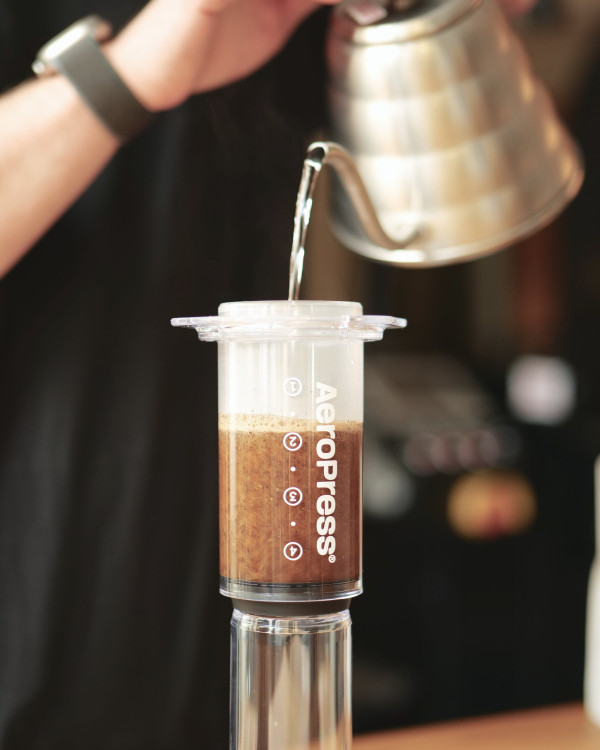
AeroPress
AeroPress is an excellent coffee brewing device that uses high pressure for extraction and delivers a great cup. This means you can use espresso-roasted coffee as well as filter coffee. The AeroPress is a fun device that allows you to easily prepare a single cup of coffee – it is cleaner than a French press but richer in flavor than coffee brewed using the pour-over method.
Learn more
Cold Brew
The hot summer months are a great time to prepare our favorite cold brew. This coffee offers a naturally sweet and concentrated flavor, which can be tried with milk or just with ice for refreshment. We recommend coffee beans with a strong flavor and intense sweetness to make the cold brew full of taste. If you don't have a special container, you can prepare it like we do in a French press.
Learn more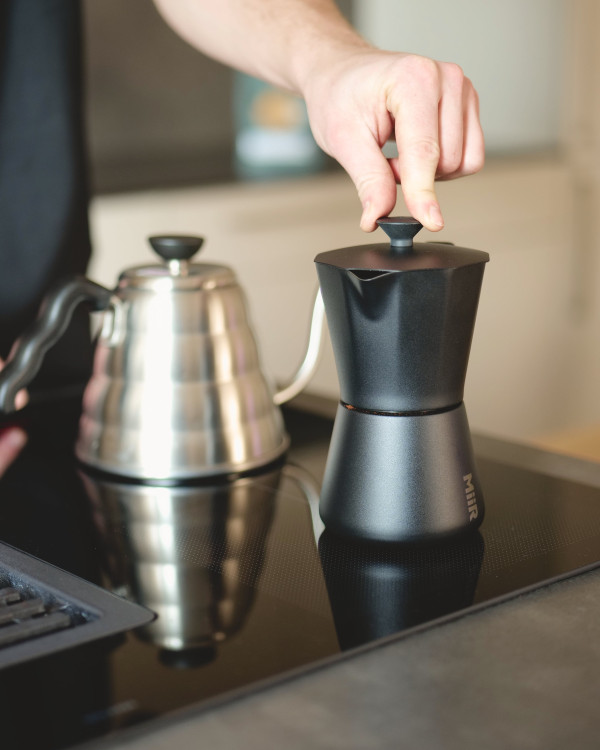
Moka pot
The moka pot, invented in 1933 by Alfonso Bialetti, is an icon of Italian coffee culture, alongside the classic coffee maker. It is favored for its simple, quick process and the resulting full and sweet flavor. There are many different models, so it is important to adjust the recipe to the size of the pot. We use the standard three-cup version, and here is our method.
Learn more